Getting a concrete pour right in Tampa requires more than ordering a truck and showing up. Heat, humidity, Concrete Services in Tampa FL sudden thunderstorms, sandy soils, and tight suburban driveways all conspire to turn what should be routine work into an expensive re-do. I have poured patios, driveways, and commercial slabs across the Tampa Bay area for years with All Phase concrete, and the difference between a durable slab and one that cracks or scales shows up in the days and weeks before the mixer arrives. This guide lays out the practical, trade-off aware steps a homeowner or contractor should take to reduce risk, control cost, and get a finish that lasts.
Why this matters A failed pour is not just ugly, it costs time and money and damages trust. Proper prep shrinks those risks: you protect the concrete’s strength, avoid patchwork, and reduce callbacks. Small investments in compacting the subgrade, coordinating delivery, and planning curing guard against problems that show up months later.
Site assessment and planning Start by walking the property with a checklist and a tape measure. Know the grade, identify low spots, confirm drainage paths, and mark utilities. In Tampa, shallow sandy soils need attention. If your subgrade is uncompacted sand, the slab will settle unevenly. If tree roots are close to the surface, they will cause differential movement. You do not need to guess about compaction. Rent a lightweight plate compactor for small jobs and a vibratory roller or hire a contractor to compact deep fills.
Decide slab thickness and strength based on use. For a typical garage or residential driveway, a finished thickness of 4 to 6 inches and a design mix in the 3,000 to 4,000 psi range at 28 days is common. For heavy equipment, increase thickness and strength and consider fiber reinforcement or heavier rebar spacing. All Phase concrete can advise on mix design, but you should be ready to explain loads, exposure to chemicals like vehicle oils, and desired finish.
Permitting and code considerations Tampa and Hillsborough County require permits for most concrete work that affects driveways, sidewalks, or change drainage patterns. Permits protect you from having to tear out work that violates local stormwater requirements. Apply early. Permit offices can take a week or longer, and inspections usually occur before backfill and after pour. If your job alters drainage onto neighboring properties, plan for swales or graded slopes that direct water to the street or a storm inlet.
Subgrade and base - the foundation of success Good concrete starts beneath the slab. I have seen perfectly placed rebar and flawless finishing ruined by a soft subgrade. Remove organic material, topsoil, and roots. If you must build into a fill area, compact in 6 inch lifts and test with a plate compactor and a straightedge. In many Tampa residential jobs, 4 to 6 inches of compacted crushed rock or concrete crusher run beneath the slab stabilizes sandy soil and reduces settlement.
If your lot is in a floodplain or has a high water table, raise the slab on compacted fill or add a thick base to prevent moisture movement through the slab. Use geotextile fabric under the base when working with very loose sand to prevent creep and migration over time.
Reinforcement, jointing, and control strategies Tensile control is essential. For control of shrinkage cracking, wire mesh is common for small slabs; welded wire reinforcement reduces crack widths but does little to resist differential movement from unprepared subgrades. For heavy loads or long spans, place deformed steel rebar in a grid with supports that keep the steel near mid-depth. Consider fiber-reinforced concrete as an alternative for small slabs and slabs-on-grade; microfibers help control plastic shrinkage and improve toughness.
Plan joint placement before the pour. Control joints reduce random cracking. For most slabs, cut control joints at intervals of roughly 24 to 36 times the slab thickness in inches; for a 4 inch slab, that means joints every 8 to 12 feet as a guideline. You can saw joints after the slab hardens or use tooling during finishing for sidewalks and small patios. Don’t overdo joints; too many joints weaken the slab’s ability to transfer loads.
Scheduling the pour with local weather in mind Tampa weather shapes every decision. Spring and summer bring heat and afternoon storms; late fall and winter are milder but still humid. Schedule pours early in the day to avoid afternoon rain and peak temperatures that increase evaporation. If a forecast shows a greater than 30 to 40 percent chance of thunderstorms within the critical first four hours, reschedule. Rain can mar the finish and wash cement paste from the surface. Conversely, on extremely hot, dry days, plan for additional curing measures and possibly a retarder in the mix to give finishers more working time.
Coordinating with your supplier - the All Phase concrete advantage Talk specifics with All Phase concrete before the truck arrives. Concrete delivered to Tampa Concrete Services Tampa FL All Phase concrete sites is not one-size-fits-all. Discuss slump, aggregate size, admixtures, and set time. For flatwork in hot weather, specify a moderate slump and consider air entrainment for freeze-thaw resistance on exposed steps or sidewalks even though freeze is rare here; air entrainment also helps with durability where deicing salts may be used. If the job has long placement distances or requires pumping, confirm that the mix is pumpable with your chosen equipment.
Plan backups. If the delivery truck is late, you may need to slow the finishers and cover the poured area. If a storm arrives, you may need to protect fresh concrete with tarps and weighted plywood. All Phase concrete crews know these contingencies and can advise on admixtures that alter set time and workability when necessary.
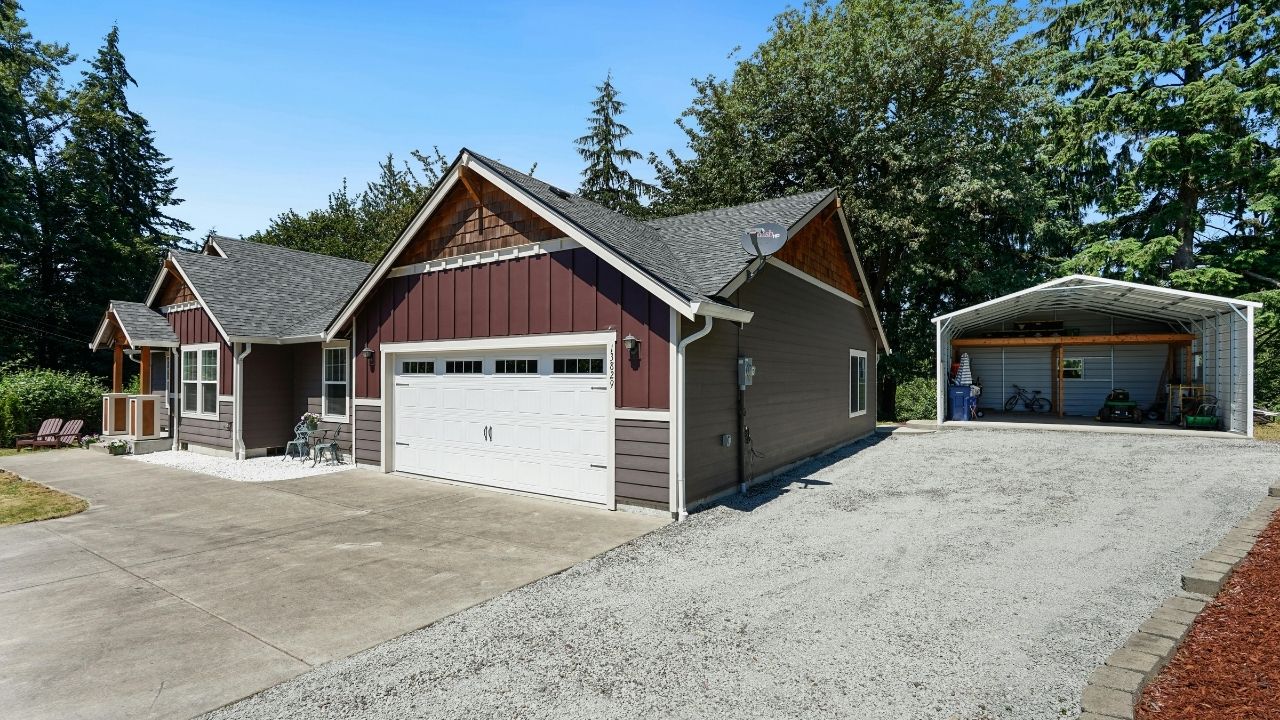
Site logistics and accessibility Measure the truck access route and ensure overhead clearance, turning radius, and weight limits work for the mixer or pump truck. If access is tight, consider a line pump with a boom or a smaller transit mixer that can navigate tighter spaces. Make sure the driveway, gates, and sidewalks are clear. Have water on site for finishing tools, and put down plywood plates where foot traffic will compact a freshly graded base.
Day-of cleanup and protection are part of logistics. Protect landscaping along the pour path, move vehicles, and notify neighbors if street parking will be affected. If you need to close a street or obstruct a sidewalk, get the proper permits ahead of time.
Day-of operations - roles and timing A well-run pour is choreography. Everyone should know their role and the timeline. The foreman should verify forms, reinforcement placement, and joint layout. The finisher should have tools ready and agree on the desired surface texture and broom pattern. Have flaggers or crew to manage truck movement and a person dedicated to checking slump and temperature on arrival.
Checklist before arrival
- confirm permit and inspection windows, forms, reinforcement, and access verify mix design and admixtures with All Phase concrete confirm crew size and finishing plan prepare curing materials and coverings ensure water and power access for tools
Finishing and surface texture Finishing is where appearance meets durability. Overworking the surface invites segregation and weak surface paste. Begin by striking off and bullfloating to embed aggregate and bring cream to the top. For a broom finish, wait until bleed water dissipates and the surface supports a light thumbprint. In hot weather, this window can be narrow. For a troweled finish, allow the slab to stiffen appropriately and use the minimum passes necessary.
Decorative treatments such as stamping, staining, or exposed aggregate demand planning. Stamped concrete requires precise set control and consistent concrete placement; schedule experienced finishers and coordinate the timing of release agents. Stains and densifiers should be applied after adequate curing, often 7 to 28 days depending on product instructions.
Curing - the most underappreciated step Curing controls strength, shrinkage, and surface durability. In Tampa’s sun and wind, concrete loses moisture fast. Use curing compound, wet burlap, polyethylene sheeting, or continuous misting to keep concrete moist for at least 7 days for ordinary mixes and up to 14 days for mixes with supplementary cementitious materials like fly ash. For critical work, aim for 28 days of appropriate curing to reach design strength, understanding that the bulk of strength gain happens in the first week.
Avoid common mistakes: do not rely on paper or cardboard coverings that blow away; do not let the slab dry out in the first 24 hours; do not allow traffic on concrete until it reaches sufficient strength. Typical timelines are 24 to 48 hours for light foot traffic, 7 days for moderate loads with restrictions, and 28 days for full design strength, but actual times depend on mix, temperature, and curing method.
Rain plans and rapid response A sudden shower can ruin a finish but is manageable with a plan. If rain begins while finishing is underway, protect the surface with tarps weighted at the edges and keep crews ready to rework edges and joints once the water passes. If heavy rain occurs before finishing, you may have to stop and reschedule; re-leveling partially set concrete is rarely worth the risk unless a professional evaluates the situation.
Maintenance after the pour New concrete needs care beyond curing. Keep vehicle and heavy loads off for the recommended period. Seal exposed surfaces after 28 to 90 days with a breathable sealer appropriate for Tampa’s climate to resist staining from oils and mildew. Clean spills promptly and avoid deicing chemicals on decorative or colored surfaces.
Addressing common problems and trade-offs Cracking: even with best practices, some cracking may occur. Distinguish between hairline shrinkage cracks and structural cracks caused by movement or poor subgrade. Hairline cracks are often cosmetic and can be treated with fillers; structural cracks require evaluation and possible underpinning.
Scaling: a weak surface paste or freeze-thaw exposure with salts can cause scaling. Prevent with proper finishing, adequate air entrainment where appropriate, and thorough curing. In Tampa, salt exposure is less frequent inland, but coastal projects that see salt spray can benefit from air-entrained mixes.
Uneven slabs: differential settlement points back to subgrade issues. Repairing by grinding is cosmetic; addressing the underlying soil may require mudjacking or slab replacement. Invest in proper base compaction to avoid that cost.
When to call professionals Smaller DIY jobs can succeed with careful planning, but there are times to hire pros. If you need a slab with penetrations and embedded items, complex reinforcement, precise slope for drainage, or decorative finishes like stamping, a professional crew with experience in Tampa conditions pays for itself. All Phase concrete offers consultations that can save tens of percent of the cost of a premature replacement.
Final considerations and a pragmatic checklist Tampa’s climate and soils require respect. Get the permit, compact the subgrade, coordinate the mix and delivery with All Phase concrete, plan for weather, and protect the slab after the pour. The right prep turns a concrete pour from a risk into a reliable upgrade.
Day-of crew roles
- site foreman to coordinate truck arrival, confirm slab layout, and manage safety mucking and form crew to handle last minute form adjustments and edge protection concrete pump operator or mixer driver to place material efficiently finishers to strike, float, and texture according to the plan curing and protection crew to apply curing, cover the slab, and monitor initial setting
With thoughtful preparation, your Tampa concrete pour will stand up to weather, traffic, and time. Reach out to All Phase concrete for a site-specific plan and a mix tailored to your project. A little extra effort before the first truck arrives prevents expensive headaches after the last truck leaves.